TEMPO.CO, Jakarta - Indonesian Industry Minister Agus Gumiwang Kartasasmita stated that the conflict between the U.S.-Israel and Iran triggered global energy price volatility and disrupted international trade routes, which could affect the competitiveness of the local manufacturing sector.
"We are constantly monitoring the developments of the conflict in the Middle East because the region is one of the world's energy centers and a very important global logistics route," said Agus Gumiwang in a written statement on Thursday, March 5, 2026.
According to Agus Gumiwang, the potential disruption of the global energy distribution system would have the most significant impact on the manufacturing sector. He said that the Middle East, especially the Strait of Hormuz, is a vital route for global oil trade. Around one-fifth of global oil supplies pass through this route. Therefore, any disruption in that area could cause international energy prices to surge.
Agus Gumiwang also highlighted the drastic decrease in tanker traffic due to the escalating geopolitical situation in the region. As a result, global oil price hikes are inevitable.
He said the increase in global energy prices will directly affect the manufacturing industry because most industries consider energy to be a significant production cost. Agus cited industries such as petrochemicals, base metals, cement, and fertilizers as being very sensitive to energy price fluctuations.
In the long term, rising global energy prices will cause production costs to soar. Agus Gumiwang said this situation could erode production efficiency and product competitiveness in domestic and export markets.
Geopolitical conflicts can also affect the availability of imported industrial raw materials. Industries that are dependent on imported raw materials, such as the chemical industry, petrochemical industry, textiles, metals, and the food and beverage industry, will be the most affected.
Additionally, geopolitical tensions could increase the cost of acquiring raw materials and extend delivery times by altering global logistics routes.
The minister also mentioned how disruptions in international trade routes could affect the export performance of the manufacturing sector. He said that geopolitical tensions generally trigger global market volatility, resulting in fluctuating demand from export destination countries. "Indonesia's manufacturing industry export performance has been heavily influenced by global economic stability and international market demand," said the Golkar party politician.
To maintain the resilience of the national industrial sector, Agus Gumiwang stated that the government is trying to strengthen the upstream industrial structure, increase the use of domestic raw materials, and expand export market diversification.
Agus Gumiwang advocated for improving energy efficiency in the industrial sector and accelerating the transition to a green industry. This would reduce dependence on fossil fuels, whose prices are greatly affected by geopolitical dynamics.
To ensure that the national manufacturing sector continues to grow and remains competitive amidst global dynamics, the Minister of Industry stated that the Ministry of Industry will continue to coordinate with industry players, associations, and relevant ministries/agencies.
Read: Minister Assures Safety of Indonesian Migrant Workers in Middle East
Click here to get the latest news updates from Tempo on Google News
Indonesia Manufacturing PMI Hit Two-Year High at 53.8, Employment Rises
3 hari lalu

S&P reports that the Purchasing Manager's Index (PMI) for Indonesian manufacturing in February is still in the expansion zone.
EVs Prop up Indonesia's Net Zero Emissions Goal in Manufacturing Industry
28 hari lalu

The ecosystem of electric vehicles becomes one of the focuses in accelerating the net zero emission manufacturing industry by 2050.
IBM Sees Growing AI Adoption in Indonesia's Manufacturing
28 Desember 2025

According to IBM's data, over the past 3-5 years, many industry players have surpassed the initial experimental phase. They have started AI pilot projects.
Indonesia Manufacturing PMI Hits Highest Record Since February
1 Desember 2025

Manufacturing PMI in November reached 53.3, the highest since February 2025 at 53.6.
Delay in Indonesia's 2026 Minimum Wage Announcement Sparks Concerns in Manufacturing Sector
26 November 2025

Vice Chairman of Apindo, Sanny Iskanda, expressed concerns that the delay in announcing the Regional Minimum Wage (UMP) for 2026 might exacerbate the investment climate in Indonesia.
Industry Ministry: Manufacturing Sector to Drive Indonesia's Economic Growth in Q3 2025
6 November 2025
Despite the manufacturing sector's higher-than-average growth, production capacity utilization remains at 59.28 percent.
Indonesia Records US$209 Billion in Exports by September, BPS: 8.14% Growth
3 November 2025
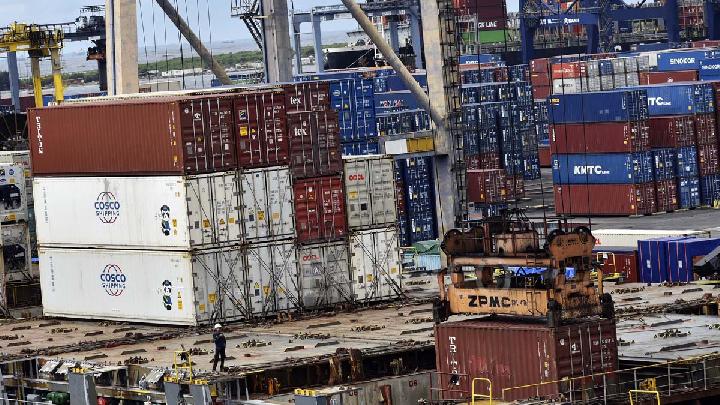
BPS noted that the increase in exports was mainly driven by a 9.57 percent rise in non-oil and gas exports y-o-y.
Domestic Demands Drive Manufacturing PMI Growth to 51.2 in October
3 November 2025

S&P reported that the Purchasing Manager's Index (PMI) for Indonesian manufacturing in October 2025 remained in the expansion zone.
Indonesia's Manufacturing Industry Grows 4.94%, Says Minister
20 Oktober 2025
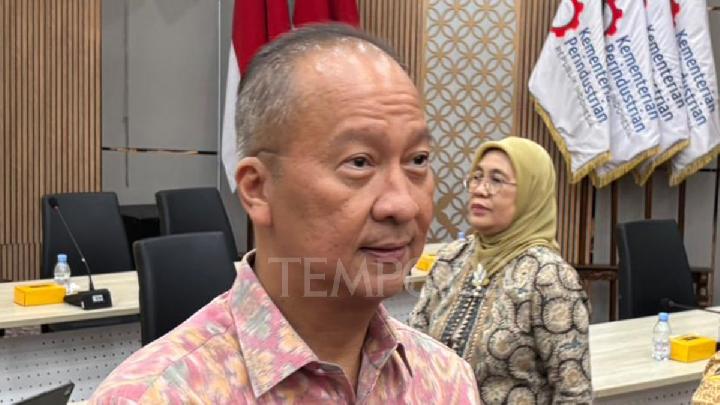
Minister of Industry Agus Gumiwang Kartasasmita stated that the manufacturing industry grew by 4.94 percent from the fourth quarter of 2024 to the second quarter of 2025.
Manufacturing Sector Key to Achieving 8% Growth, Says Finance Minister Purbaya
10 Oktober 2025

Minister of Finance, Purbaya Yudhi Sadewa, stated that economic growth must surpass 5 percent in order to reach the medium-term goal of 8 percent.