The trade agreement between Indonesia and the United States descended into disarray after a poor performance by the negotiating team.
THE Indonesian government’s stance in approving the trade agreement with the United States brings to mind the old Malay proverb: sepiring bagi dua, sebutir bagi tiga—one plate shared by two, one grain shared by three. It boasted of its success in the negotiations, but the fact is that the agreement is highly favorable to the US.
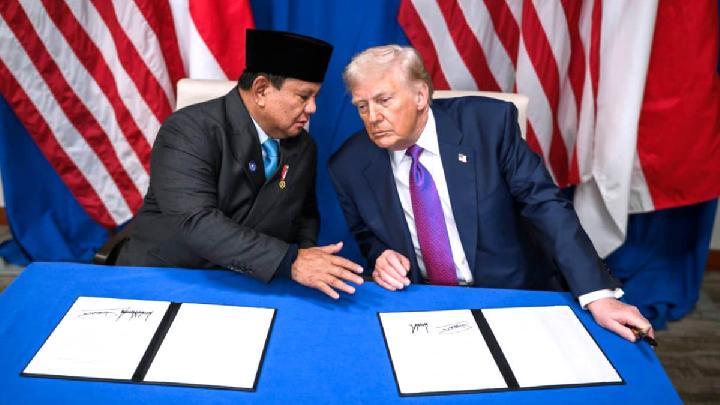
The reciprocal trade agreement between President Prabowo Subianto and President Donald Trump on February 19, 2026, immediately sparked controversy. The government takes pride in securing tariff reductions for 1,819 Indonesian products—only 50.9 percent of total goods exported to the US—cutting rates from 32 percent to 19 percent. However, this came at the cost of eliminating tariffs entirely, dropping them to 0 percent for 99 percent of American products entering Indonesia.
But the enthusiastic applause from Prabowo’s aides faded away after the US Supreme Court struck down Trump’s trade policy the day after Indonesia signed the agreement. This ruling destroyed the political and legal legitimacy of the trade agreement. Another consequence: all imported goods entering the US from any country are now subject to a uniform 15 percent tariff, rendering the 19 percent negotiated by Indonesia obsolete.
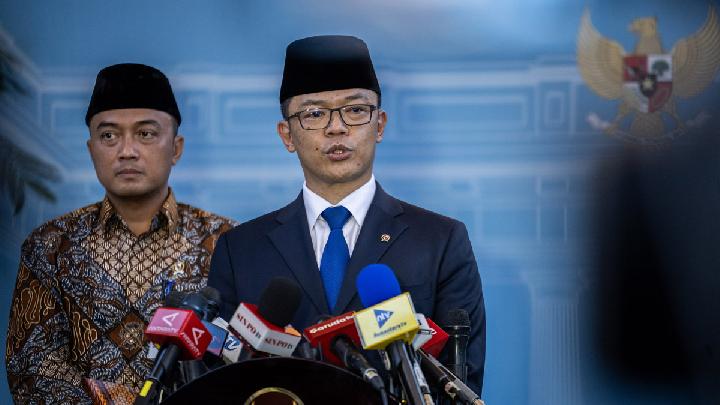
All this is the result of Prabowo’s eagerness for a quick deal. His desire for prestige among world leaders, including the United States, led him straight into Trump’s trap. The negotiating team, led by Coordinating Minister for the Economy Airlangga Hartarto, opted for speed over substance, seemingly acting only to appease the President.
Consequently, while favoring the United States, Airlangga’s team ignored legal safeguards, such as international agreement principles within the World Trade Organization (WTO) framework. As the agreement’s title suggests, both parties should have received an equal share, it should not have been a lopsided deal benefiting America. The label “reciprocal” appears to be mere window dressing in the face of international trade principles.
Minister Airlangga did not invite capable negotiators. Representatives from the Ministry of Foreign Affairs, including the Indonesian Embassy in the US, were excluded from the talks. Warnings from ministry technocrats regarding the dangers of a rushed signing went unheeded.
Deputy Foreign Minister Arif Havas Oegroseno, for instance, issued such a warning in a letter on October 10 last year. A similar letter was sent on January 10, 2026, by the Ministry’s Director-General for International Law and Treaties. In both documents, diplomats provided information about the ongoing legal proceedings in the US Supreme Court. Both also urged Airlangga to wait for the outcome of the Trump administration’s agreements with other nations.
Foreign Ministry technocrats viewed the agreement’s terms as one-sided, as they only imposed obligations on Indonesia. Furthermore, several irrelevant national security issues were shoehorned into the treaty’s articles—such as requiring Indonesia to review its South China Sea policies and the potential stationing of US Department of Defense personnel in Indonesia.
At the technical level, the agreement immediately burdened executive officials. State oil firm Pertamina, for example, was left scrambling when asked to sign off on the procurement of American crude oil, fuel, and gas. By law, they are required to hold a tender before selecting a trade partner.
If forced through, Pertamina’s leadership could eventually face legal repercussions. The Ministry of Communication and Digital Affairs was also left disappointed, as the negotiating team granted special privileges to US global digital platforms, including an exemption from the obligation to provide compensation to Indonesian media for their news content they take—known as publisher rights.
The government must act swiftly to revoke the agreement. Legally, Indonesia needs only send a notification to terminate the agreement within 30 days of signing. The government can cite the US Supreme Court ruling as its argument—a move that would allow it to save face.
As for Prabowo, he ought to hold his head a little higher before Trump, lest Indonesia’s dignity sink to its lowest point.
US Media Says UAE, Qatar Pressing Trump to Curb Iran Strikes
46 menit lalu
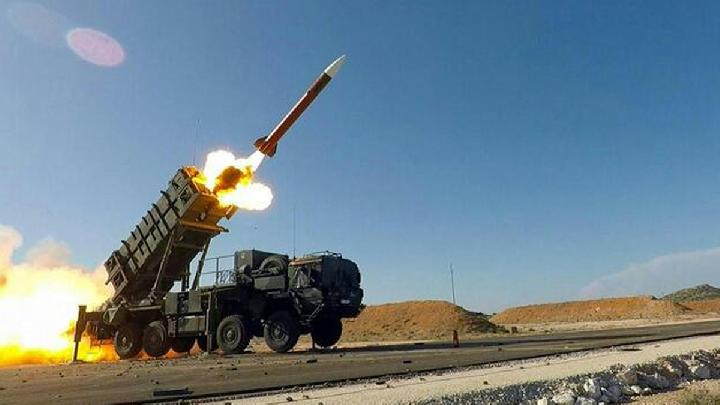
Reports suggest that the UAE and Qatar are secretly lobbying President Trump to limit the duration of military strikes against Iran.
Pentagon Tells Congress No Sign of Preemptive Strike from Iran, Sources Says
19 jam lalu
US officials acknowledged in a closed briefing with US Congress staff that there was no intelligence indicating Iran planned to attack US troops.
How Indonesia and the United States Reached an Unequal Trade Deal
21 jam lalu
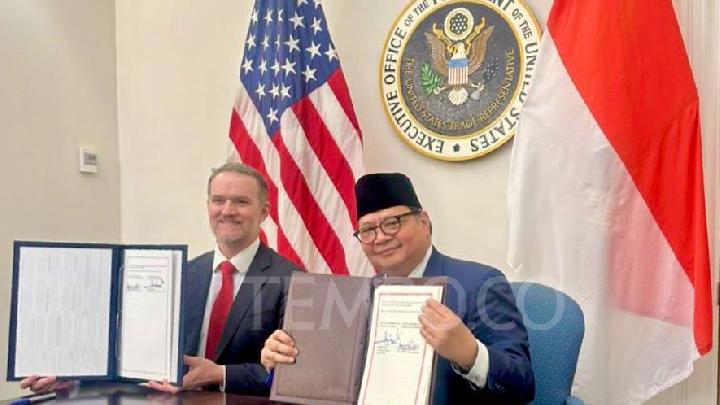
Indonesia's negotiating team, led by Coordinating Minister for the Economy Airlangga Hartarto, was overwhelmed during the trade negotiations.
Trump Says War in Iran Could Last 'Four Weeks or Less'
23 jam lalu

Washington had previously announced the destruction of Iran's Revolutionary Guard headquarters. Trump said the operation is going according to plan.
Saudi Arabia, Israel Said to Lobby Trump for Iran Strike, US Media Reports
1 hari lalu
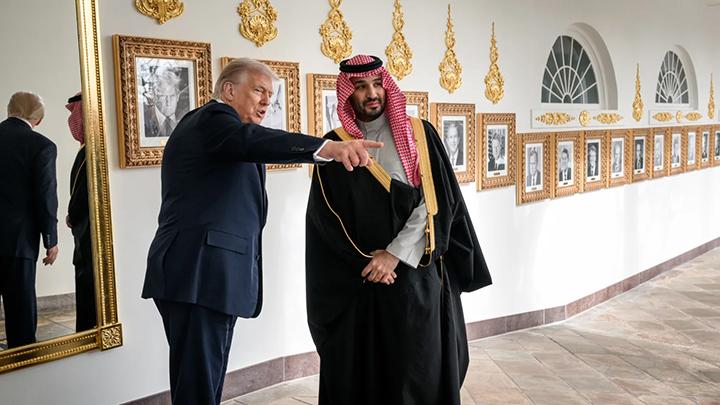
The crown prince of Saudi Arabia reportedly urged Trump to attack Iran.
Survey: Only 25 Percent of Americans Support Attack on Iran
1 hari lalu
A recent poll conducted shortly after the United States and Israel launched a major military operation against Iran and triggered a regional retaliation shows very low approval of the attack from the American public.
US Confirms American Troops Killed, Wounded in Iran Clashes
1 hari lalu

The US confirmed its first combat casualties a day after launching its campaign against Iran.
UGM Professor Calls for Indonesia to Quit Board of Peace After Iran Attack
1 hari lalu
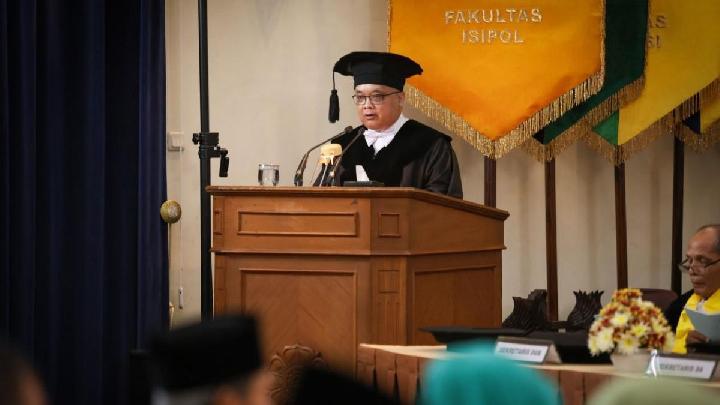
Gadjah Mada University (UGM) professor urges Indonesia to immediately withdraw from the Board of Peace (BoP) after the US-Israeli attack on Iran.
Trump Says US and Israel Strike on Iran to 'Defend the American People'
2 hari lalu
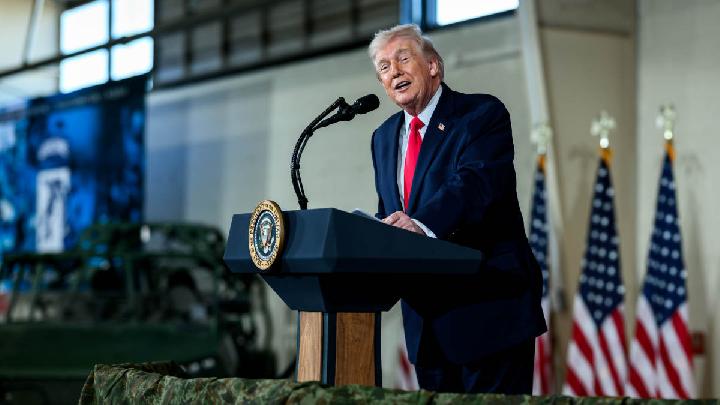
President Donald Trump announced that the US has begun launching major combat operations in Iran on Saturday.
Bill Clinton Says He 'Did Nothing Wrong' with Epstein
3 hari lalu
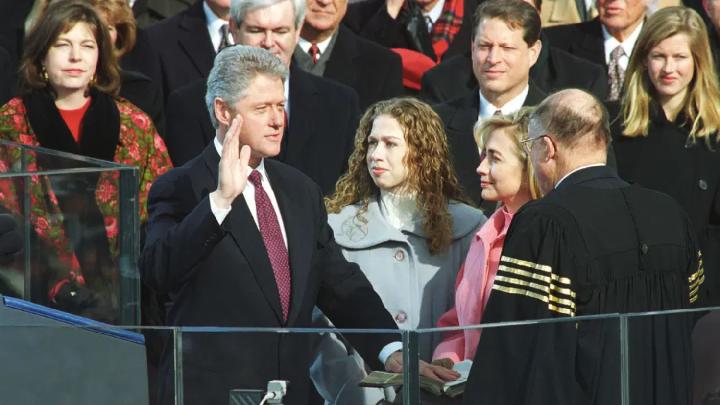
Bill Clinton said he "saw nothing that ever gave me pause" during the time he spent with Jeffrey Epstein.