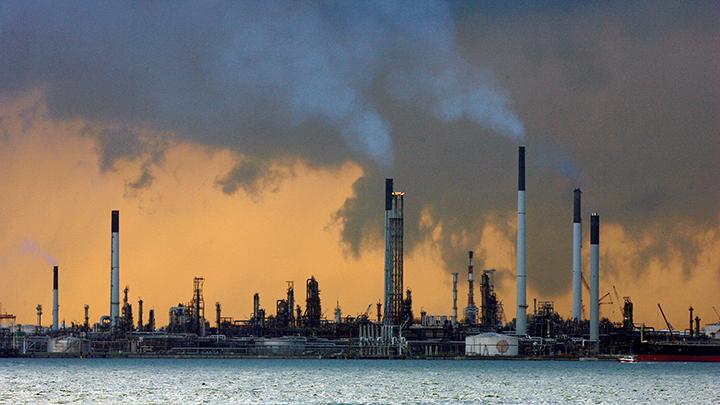
TEMPO.CO, Jakarta - The price of world oil continues to soar on the fifth day of the Iran-Israel conflict in the Middle East. Quoting data from Trading Economics, the futures contract for Brent crude oil on Wednesday, March 4, reached the level of US$82 per barrel. This value increased by 1.26 percent, marking the fourth consecutive session of gains. Brent oil has already surged by more than 22 percent monthly.
This increase is triggered by the escalating conflict involving Iran, Israel, and the United States. Attacks and retaliations targeting the region's energy infrastructure have raised concerns in the global market, particularly following the closure of the Strait of Hormuz. This strait is a vital shipping route for approximately 20 percent of the world's oil and LNG trade.
Iraq, one of the major producers, is reported to have cut production by around 1.5 million barrels per day, or nearly half of its output, due to storage limitations and export barriers. If exports do not recover immediately, production shutdowns could reach almost 3 million barrels per day.
According to an analysis by Trading Economics, Iran has targeted tanker ships in the Strait of Hormuz, halting energy traffic for several days.
Previously, the spike in prices was temporarily halted after President Donald Trump stated that the U.S. government would ensure ships to maintain energy and trade flows, and prepare naval escorts if necessary. Meanwhile, data from the American Petroleum Institute (API) shows that U.S. crude oil inventories rose by 5.6 million barrels last week, above market estimates.
Following the upward trend of Brent, WTI crude oil also rose to around US$75 per barrel.
Impact on Indonesia
Indonesia's economy, which still relies on energy imports, is at risk of being strained by the surge in oil prices. Chair of the National Oil and Gas Company Association (Aspermigas), Moshe Rizal, believes that the rise in oil prices will directly impact the cost of fuel oil imports, as Indonesia is a net importer. Transactions using the U.S. dollar also have the potential to put pressure on the exchange rate of the rupiah and widen the budget deficit if prices remain high.
With the conflict showing no signs of easing, Moshe explained that the global energy market is still overshadowed by uncertainty. For Indonesia, the pressure of oil prices is not only about supply, but also fiscal stability and exchange rates.
Meanwhile, Minister of Energy and Mineral Resources Bahlil Lahadalia is preparing for the worst-case scenario if the conflict persists. This is because about 20-25 percent of Indonesia's crude oil supply comes from the Middle East.
Bahlil stated that the government is beginning to divert some imports from the region to the U.S. to ensure supply certainty, especially if the closure of the Strait of Hormuz lasts. Bahlil also assured that the turmoil in oil prices and the conflict in Iran will not raise fuel oil prices domestically.
"No matter how much it goes up, the price will remain the same as before any changes from the government," said Bahlil in a press conference at his office in Jakarta on Tuesday, March 3, 2026.
Ilona Estherina and M. Faiz Zaki contributed to this article
Read: Iran Attacks on Gulf Oil and Gas Sites Trigger Energy Fears
Click here to get the latest news updates from Tempo on Google News
JCI Plunges 4.3% as Oil Prices Slide
10 menit lalu
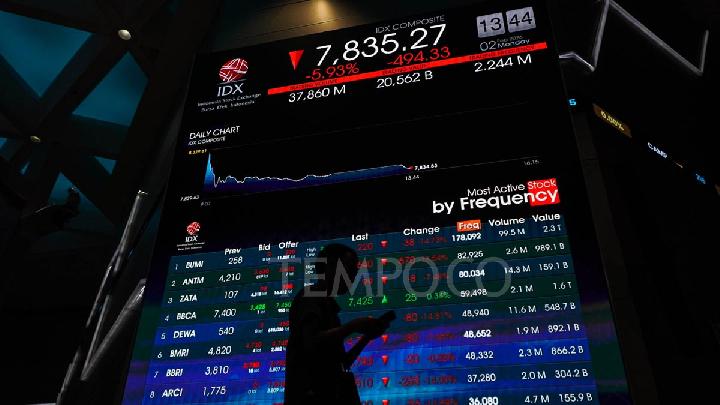
The Jakarta Composite Index (JCI) closed down to 7,596 in the first trading session.
Iran Attacks on Gulf Oil and Gas Sites Trigger Energy Fears
17 jam lalu
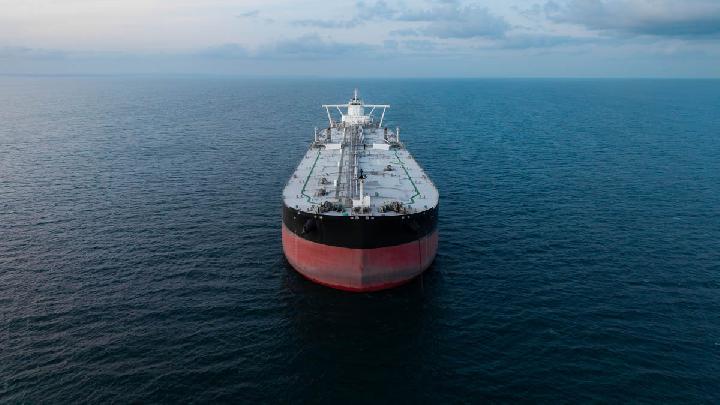
Iranian attacks on refineries, gas plants, and tankers heighten global energy supply fears, risking economic fallout from Asia to Europe.
Subsidized Fuel Prices in Indonesia Hold Steady Despite Rising Oil Prices
17 jam lalu

Under the 2026 State Budget, the Indonesian Crude Price is set at US$70 per barrel, but market prices have climbed to US$78-80.
Iran Says It Will 'Set Ablaze' Any Ship Trying to Pass Through Strait of Hormuz
23 jam lalu
Nearly one-fifth of global oil consumption flows through the Strait of Hormuz each day, located between Iran and Oman.
Can China Benefit from the US-Israel War with Iran?
23 jam lalu
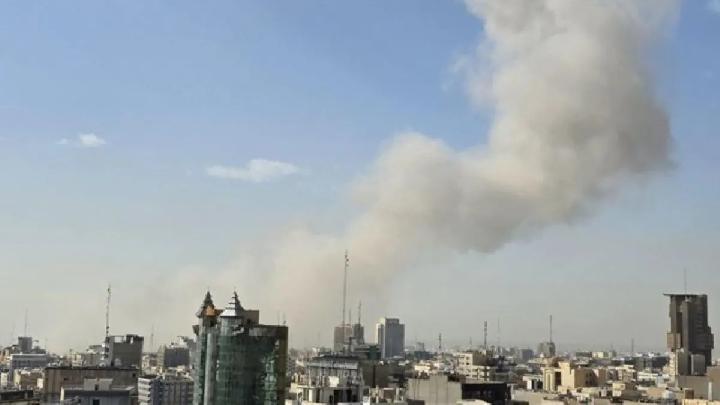
China has firmly criticized the killings of Iranian leaders by the US and Israel, warning against "the law of the jungle" in international relations.
The Soaring Costs of Oil Purchases
1 hari lalu
Indonesia is set to import crude oil, refined fuel products, and liquefied petroleum gas from the United States worth US$15 billion.
Iran Denies Attack on Saudi Ras Tanura Oil Facility
1 hari lalu

Iran officially denies responsibility for the drone attack on Saudi Arabia's Ras Tanura oil facility.
Iran War Risks Widening Indonesia State Budget Deficit, Indef Warns
1 hari lalu
Indonesia assumes crude oil prices in 2026 to be US$70 per barrel. Now, war in Iran risks the surge of oil prices due to disrupted Strait of Hormuz.
Indonesia Diversifies Oil Sources as Strait of Hormuz Disrupted
1 hari lalu

The US and Israeli war on Iran have disrupted the global oil supply chain, prompting the Indonesian government to prepare mitigations.
Indonesia's Export-Import Flows with Hormuz Strait Nations Explained
1 hari lalu
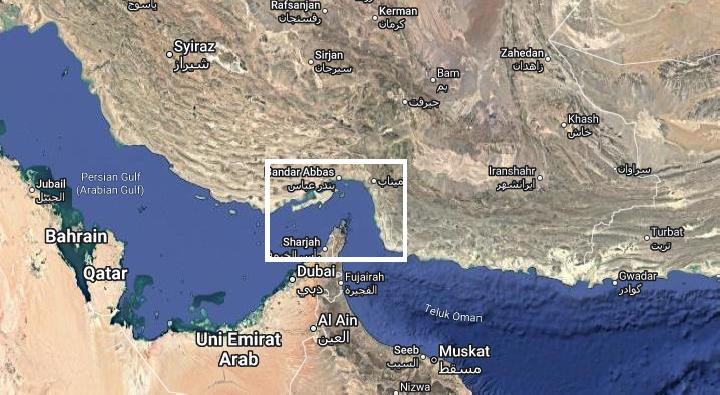
BPS stated that three of Indonesia's trading partners are located along the Strait of Hormuz route: Iran, Oman, and the United Arab Emirates.