January 16, 2026 | 02:06 pm
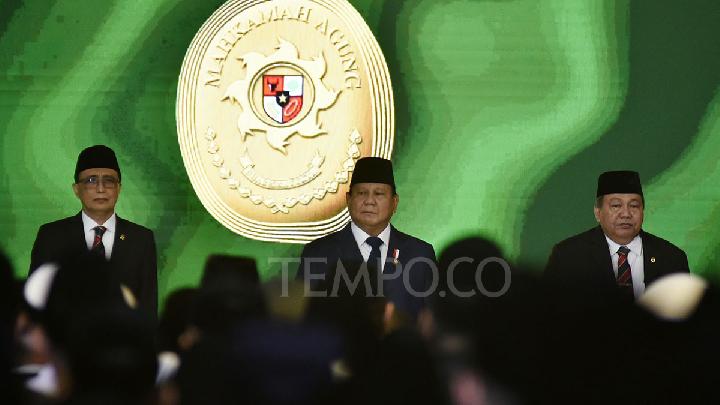
The government was late publishing the 2026 State Budget Law. Economic risks are increasing at a time when budgeting is losing credibility.
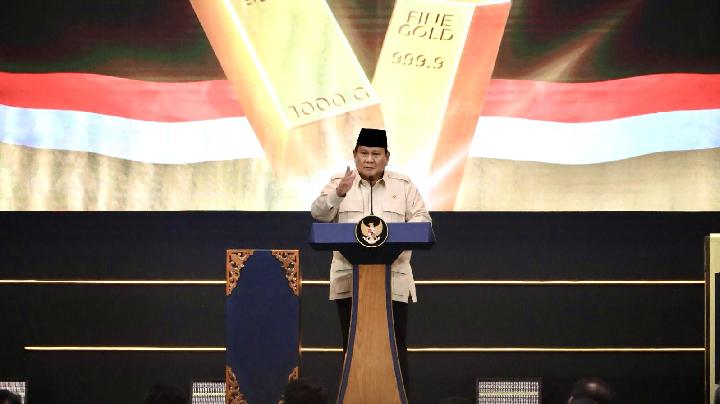
THE adage an apple never falls far from the tree is not appropriate when describing the relationship between Prabowo Subianto and his father, Sumitro Djojohadikusumo. Whether serving as Finance Minister during the parliamentary cabinet era or as a revered “dean” of economics, Sumitro consistently emphasized the importance of strict fiscal discipline within the government. For him, transparency and accountability in state finances were the keys to fostering the business confidence necessary to drive the national economy.
Meanwhile, Prabowo is doing the exact opposite. Throughout more than a year of his administration, the management of state finances has increasingly come to resemble the opaque nature of the New Order. The “mysterious” absence of the 2026 State Budget (APBN) Law is the latest example of how Prabowo is adopting the leadership style of his former father-in-law, Suharto.
The House of Representatives (DPR) passed the 2026 State Budget Bill at the end of September last year. However, since then, the legal document, which had already been given a number and signed by the President, seemed to have vanished without a trace. Recently, following a wave of public criticism, the Ministry of State Secretariat finally published a copy of the 2026 State Budget on Wednesday, January 7, 2026. Law No. 17/2025 was recorded as having been signed by Prabowo on October 22, 2025, and enacted in the state gazette on the same day.
In practice, the government’s revenue and expenditure operations during the first seven days of this year were carried out without a single legally binding budget document accessible to the public. This situation feels like a regression to the 1980s and 1990s, when the State Budget was merely announced via state-run TVRI broadcasts, leaving the public with no way to scrutinize the details.
This cannot be dismissed as simply a problem of late publication. The Constitution places the people as the only beneficiaries of the management of state funds. The State Budget, as written in Article 23 (1) of the 1945 Constitution, is determined every year and implemented in a transparent and responsible way for the maximum benefit of the people. Without transparency, it is difficult to expect the government to manage the funds in an accountable manner, let alone in a way that maximizes the benefits to the people.
The adverse effect of this delayed publication could cascade across the board. The State Budget is the heart of fiscal management at both the central and regional levels. The enactment of the State Budget Law and the issuance of its official copy are always followed by the drafting of derivative regulations concerning budgeting within ministries and agencies. Similarly, provincial and regency governments rely on it as a reference for their own budgeting, particularly regarding the amount of regional transfer funds, which directly impacts regional revenue and expenditure allocations.
This complete cycle should be finished by December at the latest so that the government can accelerate the realization of revenues and expenditures from the start of the following year. This way, the State Budget can be implemented optimally to mobilize the economy. The absence of the 2026 State Budget Law document for the last three months has damaged the credibility of fiscal policy.
Arbitrary fiscal management like this is extremely dangerous. This year, the government will take on new loans amounting to Rp832.2 trillion to cover the budget deficit, which has widened due to Prabowo’s ambitious programs. High economic risks and low budgetary credibility will eventually increase the costs that will have to be borne by the government. Without any awareness of this forthcoming major danger, it is only a matter of time before Prabowo follows in Suharto’s footsteps: triggering a crisis.
Prabowo Revises Nusantara Capital Design to Address Forest Fire Risks
7 jam lalu
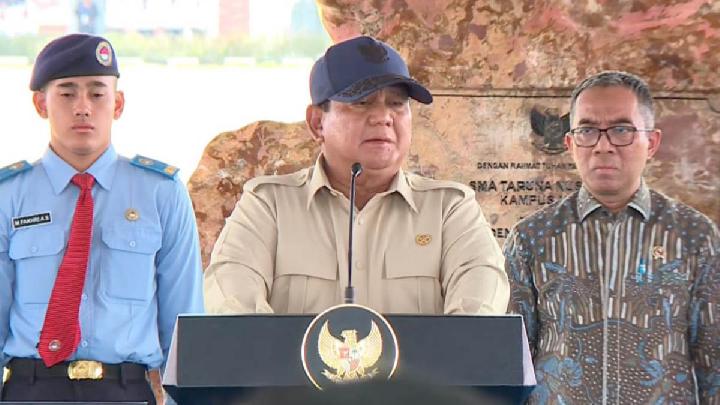
President Prabowo is revising the Nusantara Capital plan in East Kalimantan to improve disaster preparedness and forest fire prevention.
Prabowo Pushes Universities to Bolster Research Backing Indonesian Industry
15 jam lalu

President Prabowo considers research and innovation as the foundation of development and aims to increase the country's income.
What's Next After the Indirect Regional Election Issue in Prabowo's Era
16 jam lalu
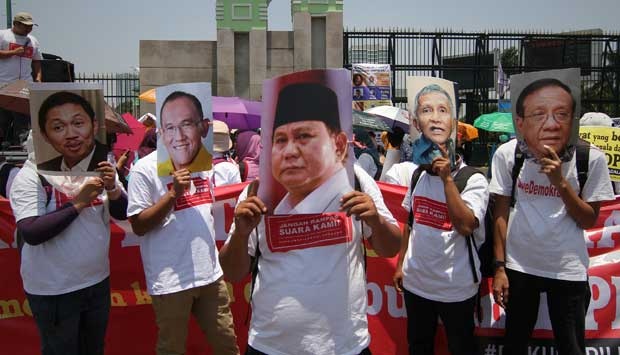
Talk of extended presidential terms or indirect elections often goes hand in hand with proposals for indirect regional polls.
Prabowo Seeks 80% of LPDP Scholarships for Science and Technology
17 jam lalu

Prabowo requested that the LPDP scholarship funds focus on students majoring in science, technology, engineering, and mathematics (STEM).
Danantara Welcomes Prabowo's Mandate on Textile Revamp
18 jam lalu
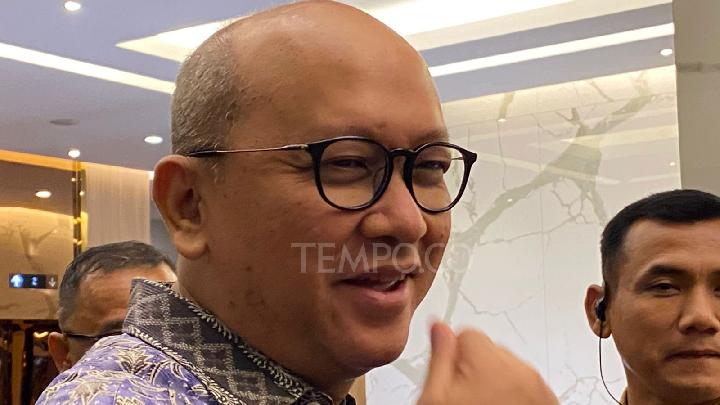
Danantara is willing to manage investments in businesses with low returns if they meet certain assessment criteria.
Today's Prabowo-Professors Meeting Offers No Dialogue Session
20 jam lalu

President Prabowo promised to hold a special meeting to hear and address aspirations from universities.
Prabowo Raises Campus Research Funding to Rp12 Trillion
22 jam lalu
The government aims to strengthen research activities in higher education to support strategic projects such as downstreaming and food self-sufficiency.
The Pros and Cons of Direct Regional Elections
23 jam lalu

Politicians spend billions of rupiah to become regional heads. Political costs are no justification for changing the electoral model.
Research Funding Sees 218% Hike During Prabowo's Term, Says Deputy Minister
1 hari lalu
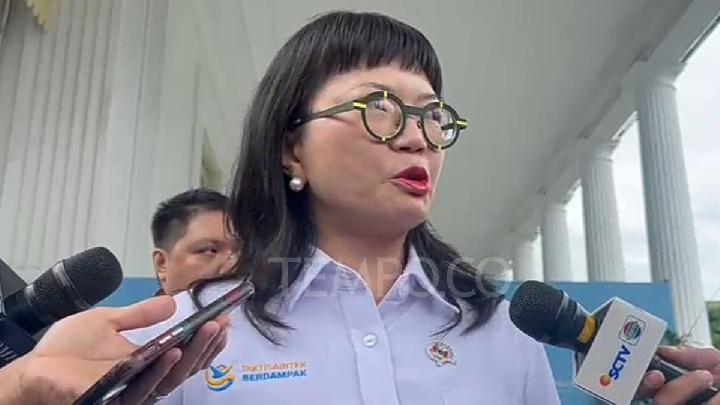
Prabowo is said to have also pushed for financial incentives for researchers.
How Danantara Attracts Investors to Enter Indonesia
1 hari lalu
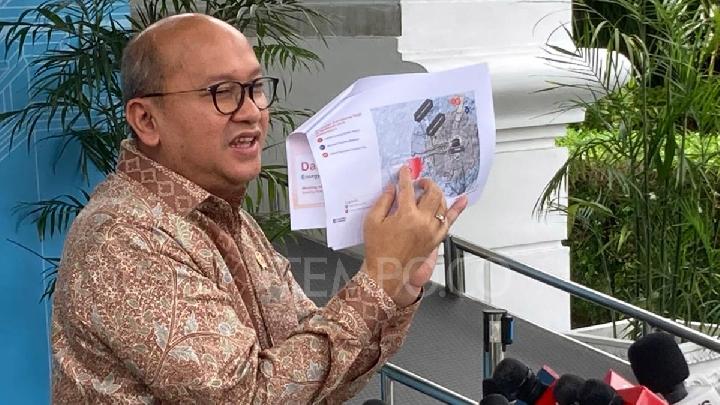
The CEO of Indonesia's sovereign wealth fund Danantara, Rosan Roeslani, said the government is working to attract investors.