September 15, 2026 | 10:04 am

TEMPO.CO, Jakarta - The turbulence that had briefly subsided has returned to global financial markets. Government bonds across major economies sold off again on Thursday and Friday, September 10-11, 2026. The yield on 10-year United States Treasuries surged towards 5 percent, while the 30-year yield reached its highest level since 2007. The trigger was another sharp rise in oil prices above the psychologically important threshold of US$100 a barrel.
This was the consequence of the escalation in the US-Iran conflict over the past two weeks. Markets are once again pricing in the possibility of a prolonged war. Bond prices have fallen because a fresh inflationary surge could force central banks to keep interest rates higher for longer—or even raise them further. The probability of the Federal Reserve increasing its policy rate on September 16 has now risen above 70 percent.
As a result, last week’s market turmoil looked more dangerous than the bond sell-off at the beginning of September. Oil prices had not yet risen so violently then. Now, expensive energy threatens to intensify inflation and trigger monetary tightening across several economies. The specter of another high-interest-rate era is drawing closer. The cost of capital for businesses will rise, as will the burden of car loans and mortgage repayments.
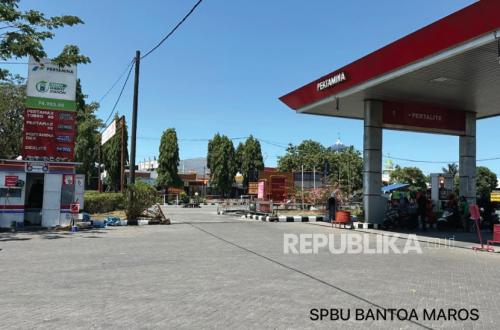
For Indonesia, the risks come in several layers. Higher oil prices immediately put pressure on the rupiah in the foreign-exchange market. Indonesia imports about 1 million barrels of oil a day. Consequently, every US$10 increase in the price of oil could add roughly US$3.6 billion to the country’s annual foreign-currency requirements, even after allowing for some offset from higher oil, gas, and other commodity revenues.
Market and Rupiah Outlook Amid Rising Oil Prices
21 jam lalu
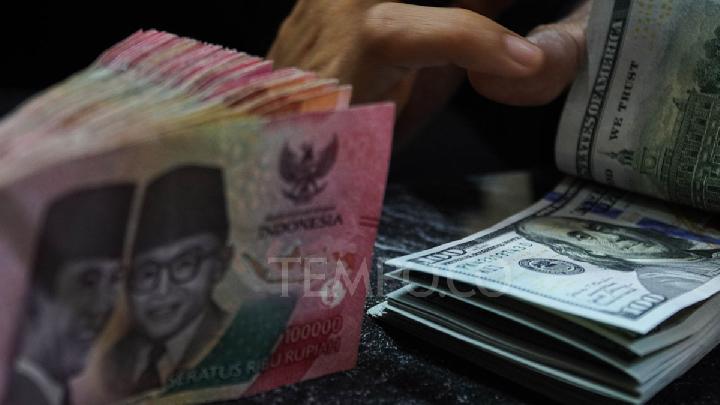
Bank Mandiri projects the rupiah exchange rate to move within the range of Rp17,590-17,685 per US dollar on Monday.
Pertalite, Biodiesel Prices Fixed Through End of 2026
1 hari lalu
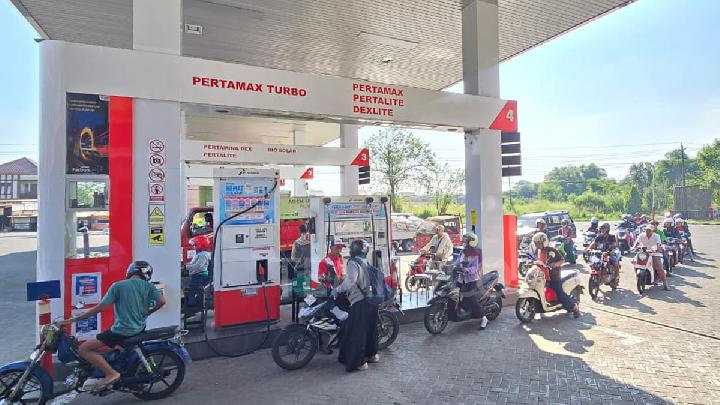
Pertamina Patra Niaga confirms subsidized fuel prices, including Pertalite and Biosolar, will remain unchanged through the end of 2026.
What Kadin Recommends to Handle Rising Oil Prices
2 hari lalu

Kadin Indonesia Institute evaluates the oil price surge toward US$100 per barrel, making the B50 agenda more strategic for national energy security.
IHSG Down 1.43 Percent on Rising Oil, Fed Fears
2 hari lalu

The Jakarta Composite Index (IHSG) slipped by 1.43% over the past week, closing at 6,541.37 alongside drops in daily transaction value and volume.
Indonesia Prepares Second Phase of Russian Oil Import
3 hari lalu

Minister Bahlil Lahadalia confirms the government is preparing the second phase of Russian crude oil imports to bolster national energy resilience.
Rupiah Weakens as Investors Await US PPI Data
4 hari lalu
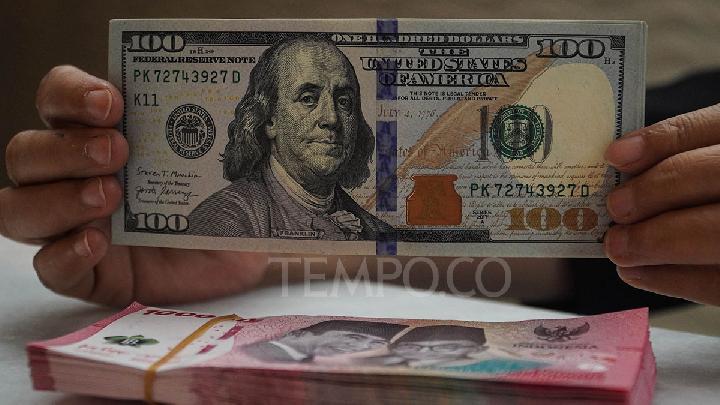
The rupiah weakened by 36 points to Rp17,547 per US dollar from Rp17,511.
Oil Prices Rise as Middle East Conflict Escalates
5 hari lalu
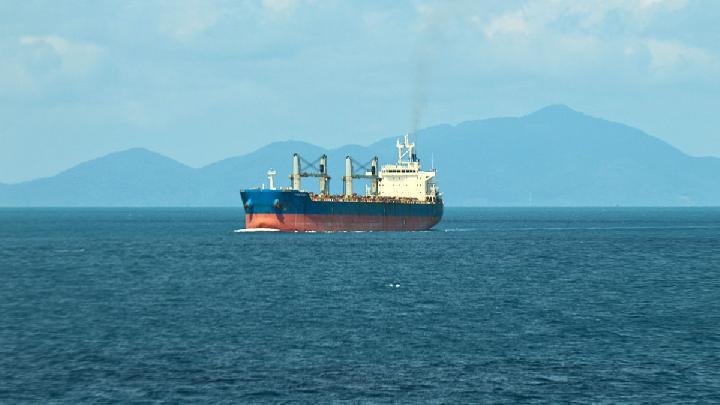
The price of oil returned to triple digits in US dollars, as conflict in the Middle East threatens supply chains and puts a strain on global reserves.
August Consumer Confidence Boosts Rupiah
5 hari lalu
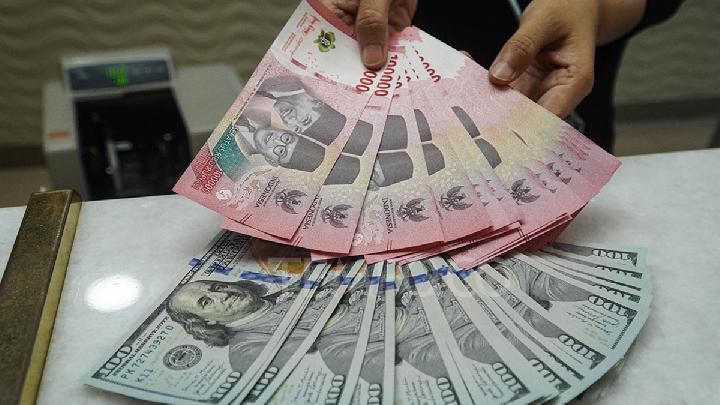
In August 2026, Bank Indonesia recorded the Consumer Confidence Index at 118.5, up from 116.8 in July.
Will Gold Prices Reach Rp2.7 Million Next Week?
9 hari lalu

What factors will influence gold price fluctuations next week?
Global Oil Prices Rise: What Does It Mean for Indonesia?
12 hari lalu

Global oil prices are rising amid geopolitical tensions. Here's how higher crude prices could affect fuel, inflation and Indonesia's state budget.